Measured, then made.
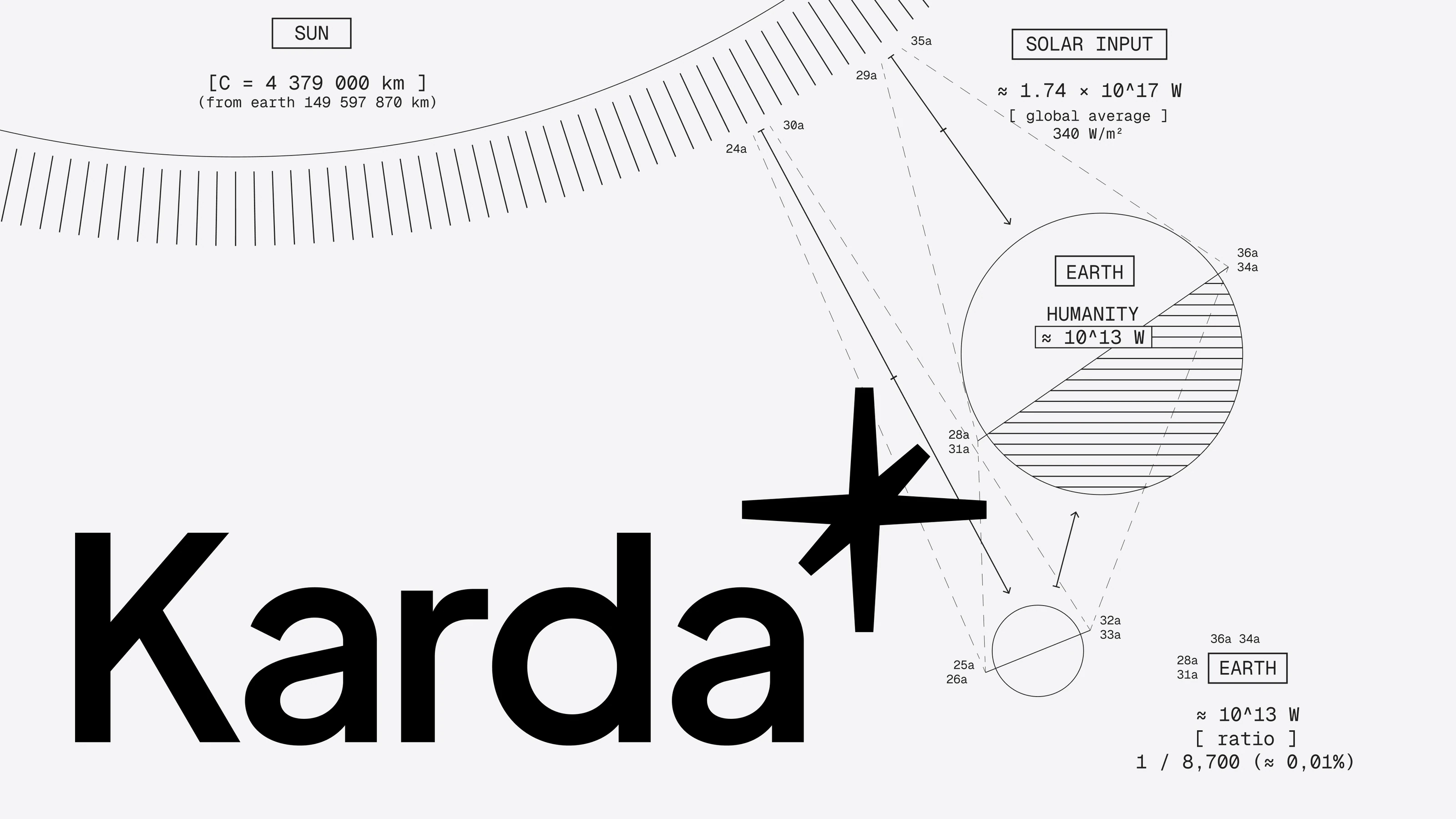
Karda is a product design studio for founders building in AI, health and hardware. We built its identity around the Kardashev scale: a wordmark and mark, a black and white system with a green that only appears as a status, and a four-level illustration language drawn from scientific plates.
The question
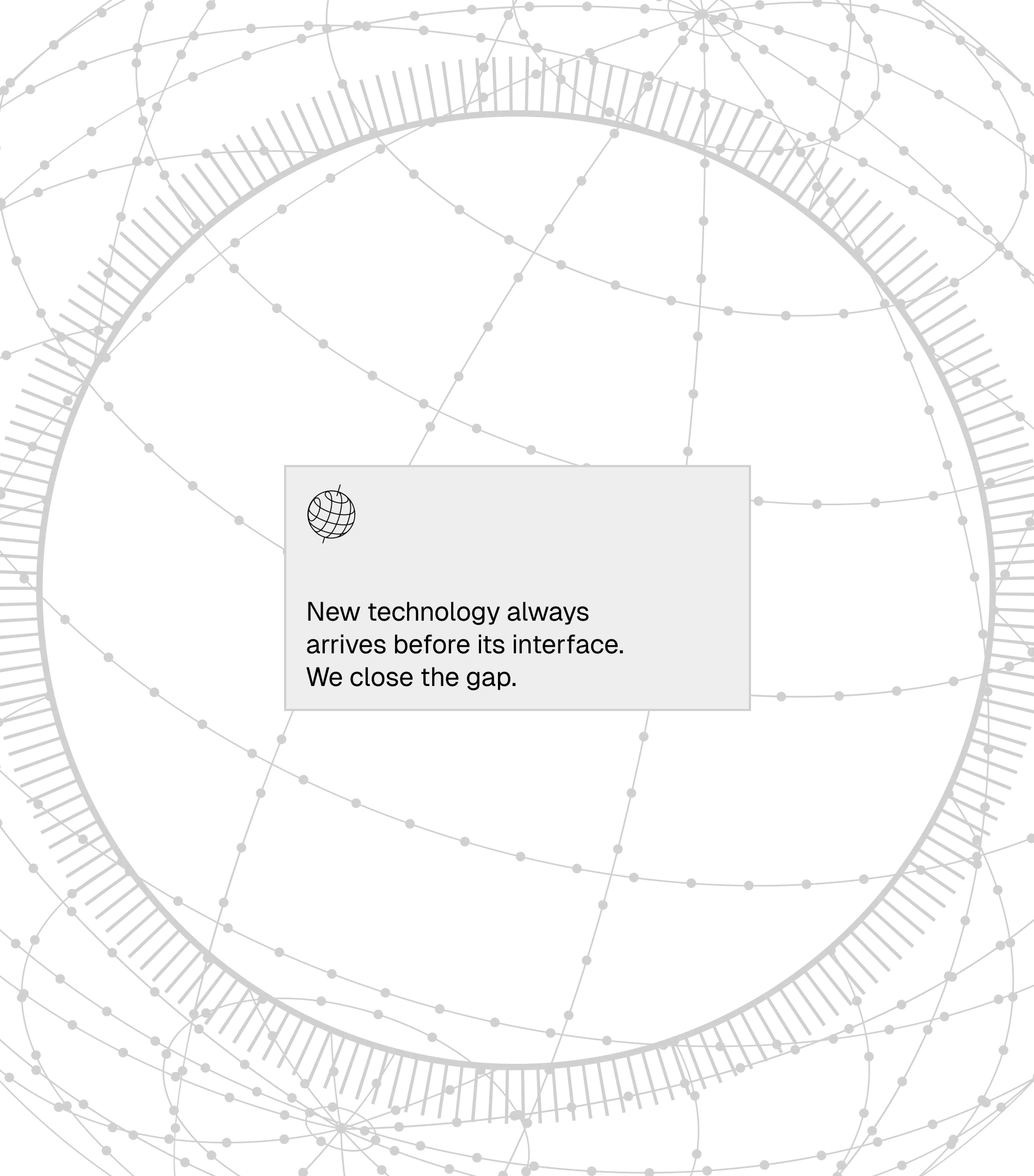
Karda is a product design studio for founders building in AI, health, hardware and connected objects. It takes them from the first user interview to a working prototype, on technology that's still taking shape. Karda's own line puts it well: new technology always arrives before its interface.
The idea
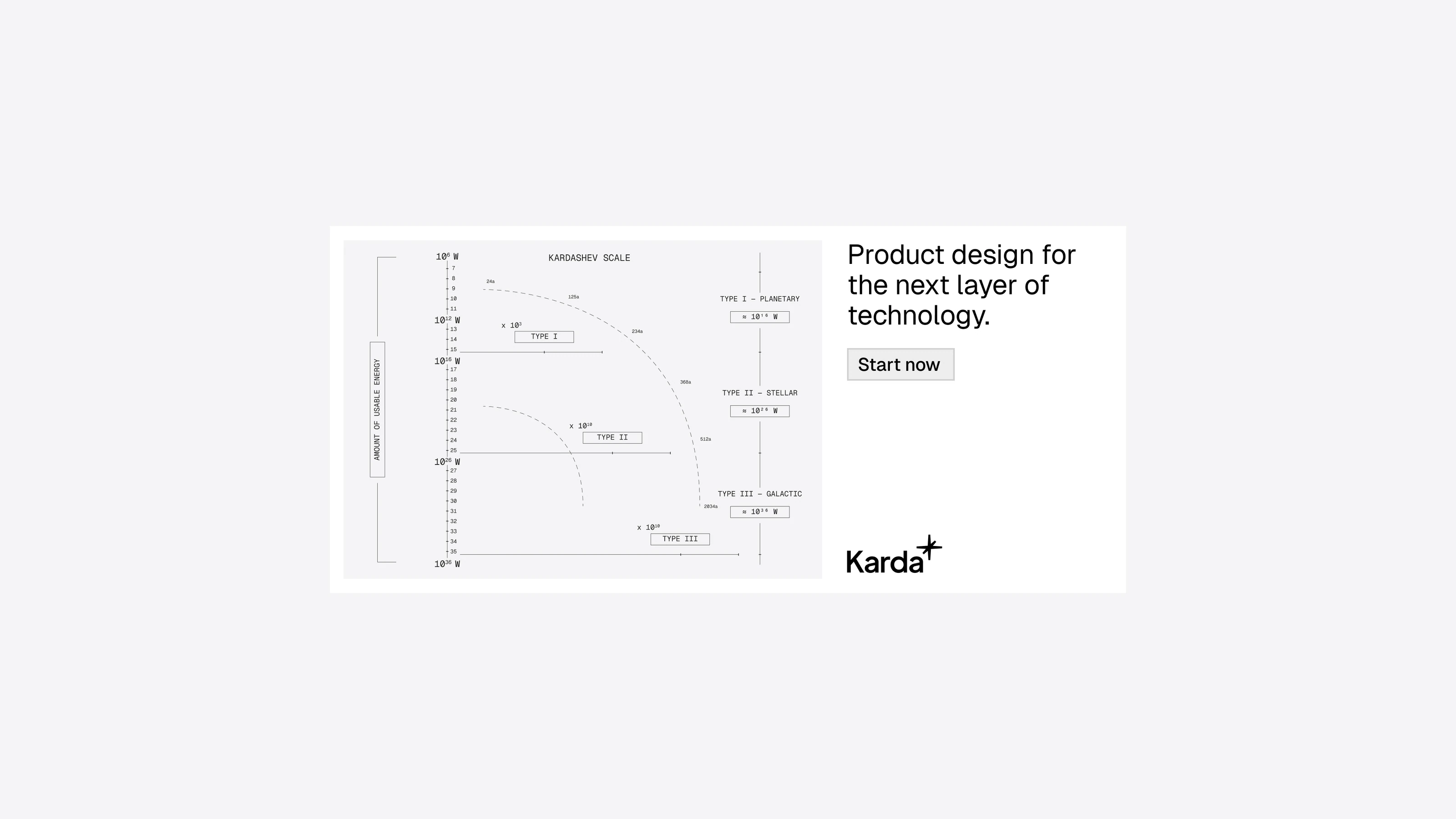
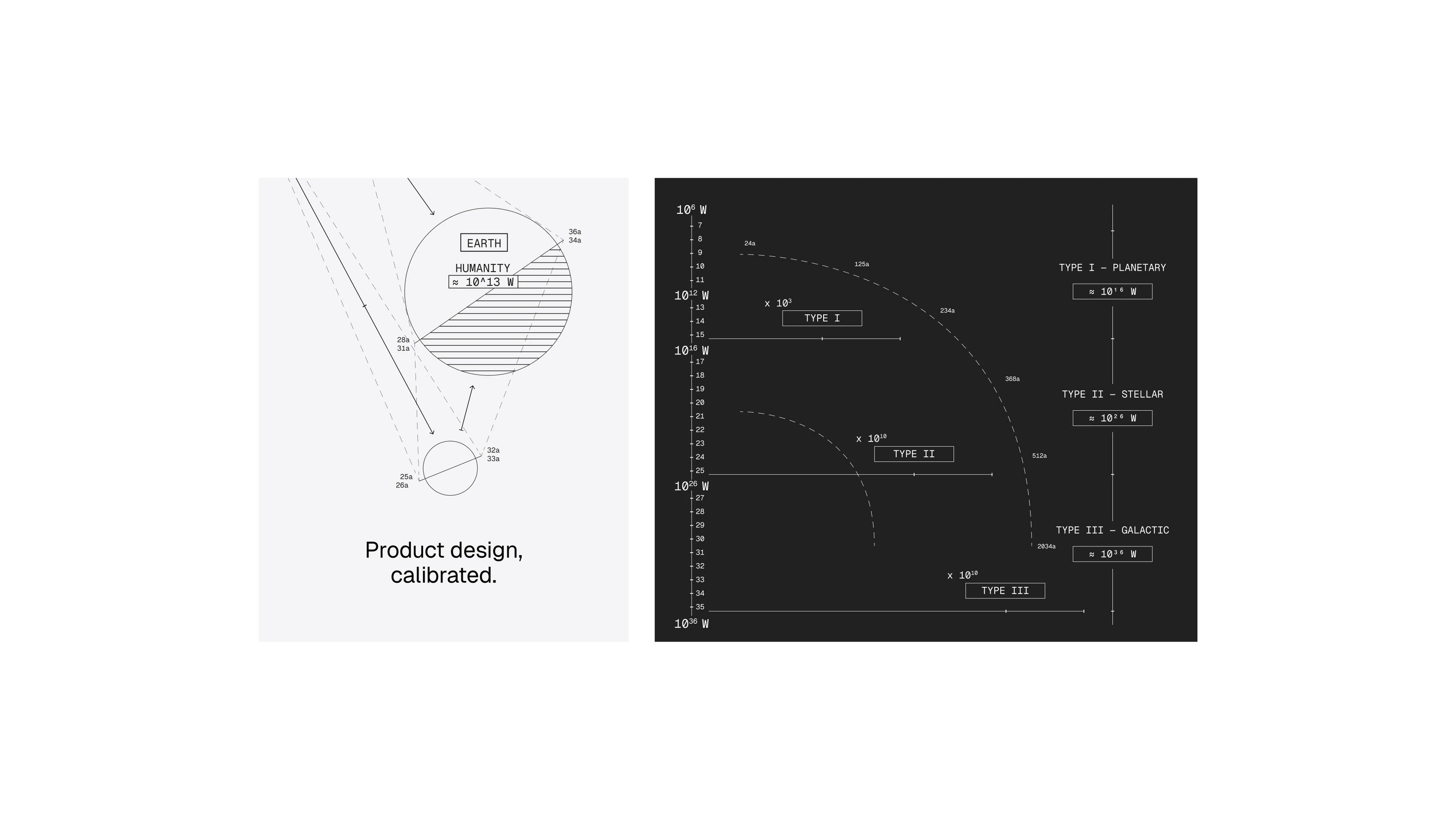
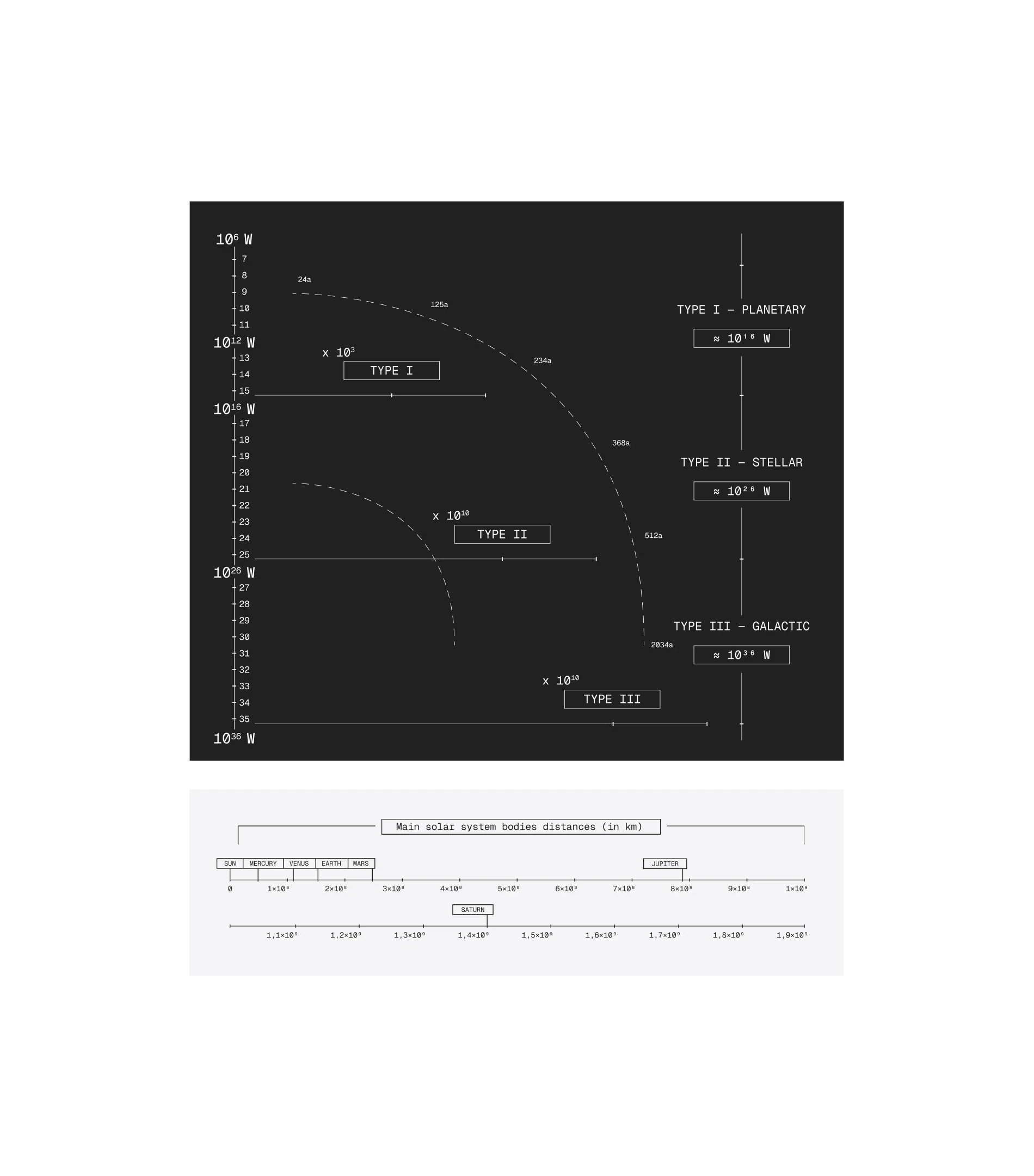
We built it around the Kardashev scale, the one scientists use to rank civilisations by the energy they can use. Type I is planetary, Type II is stellar, Type III is galactic. It's a way of measuring how far something has come, and that fit a studio whose tagline is "Measured, then made." It also gave us a whole visual world to draw from: the Sun, orbits, energy figures, careful labels.
The mark and the system
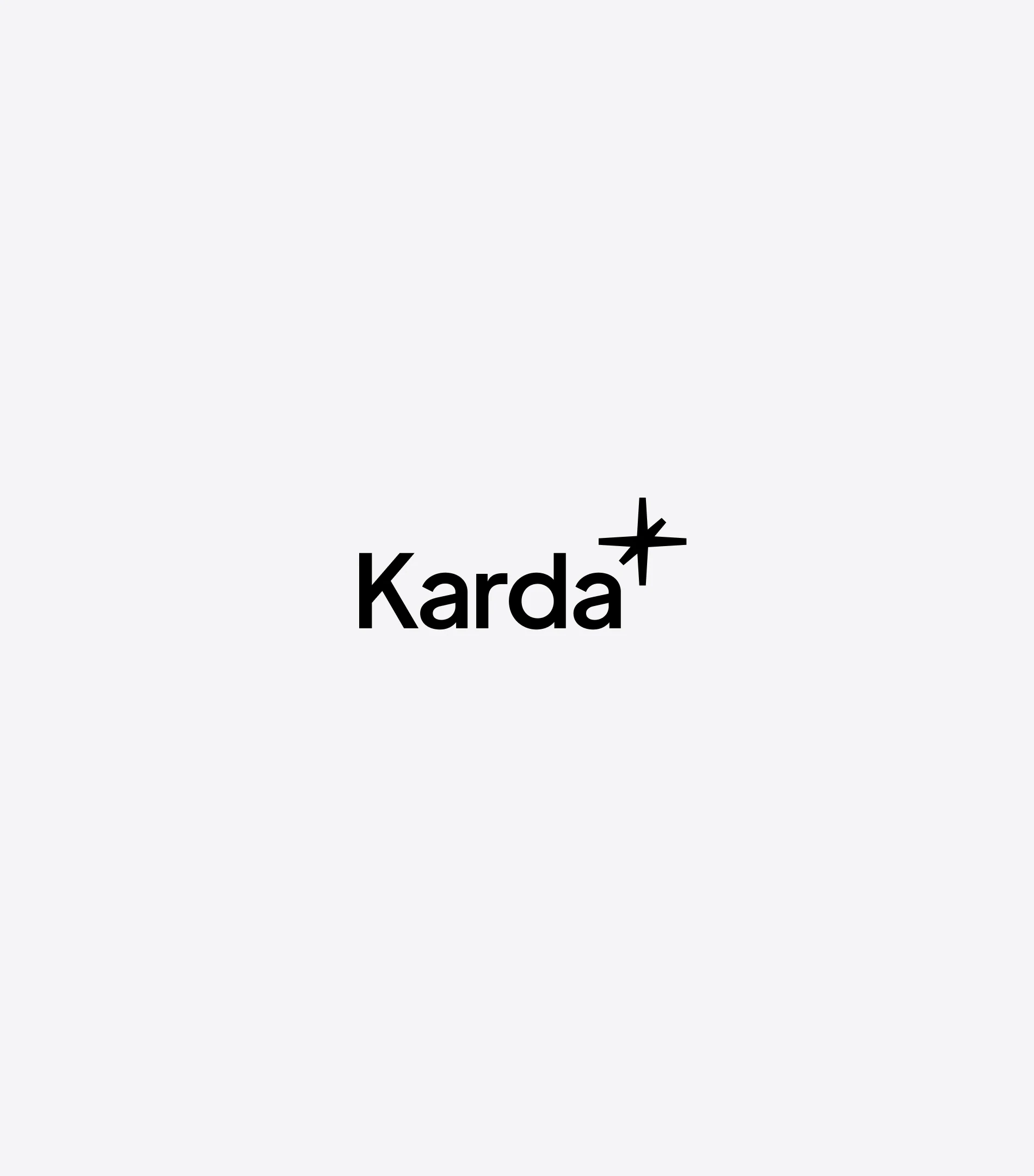
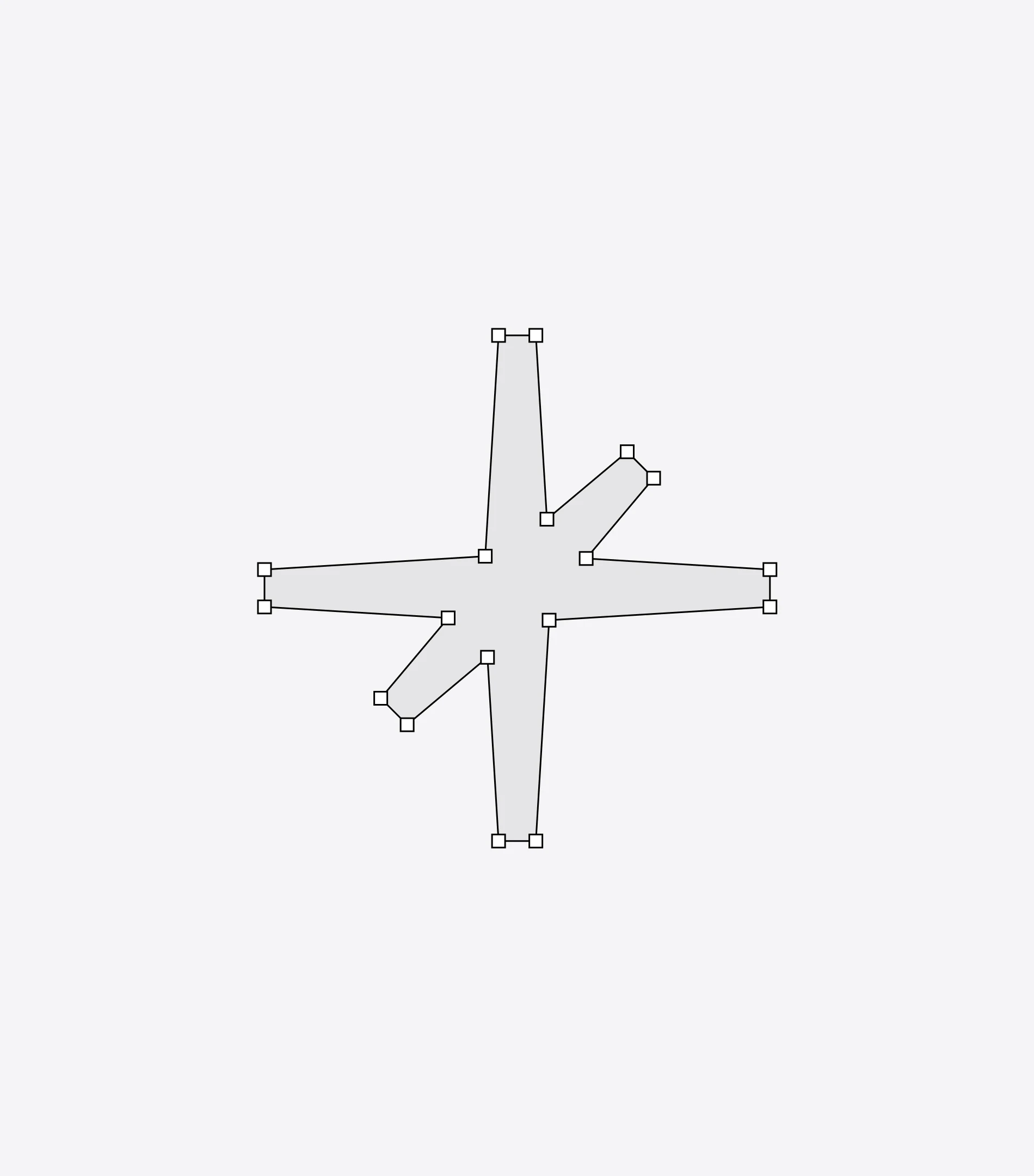
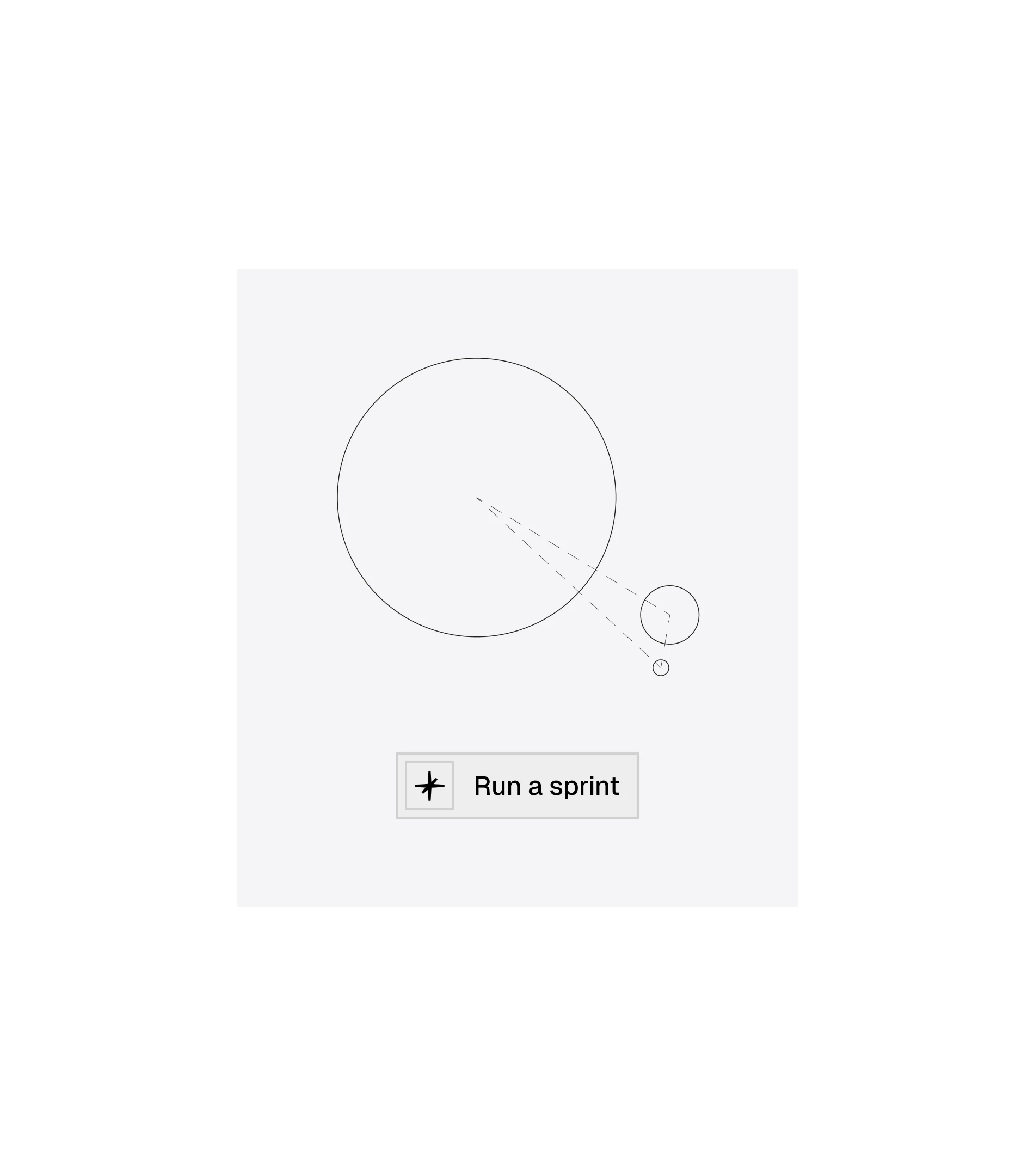
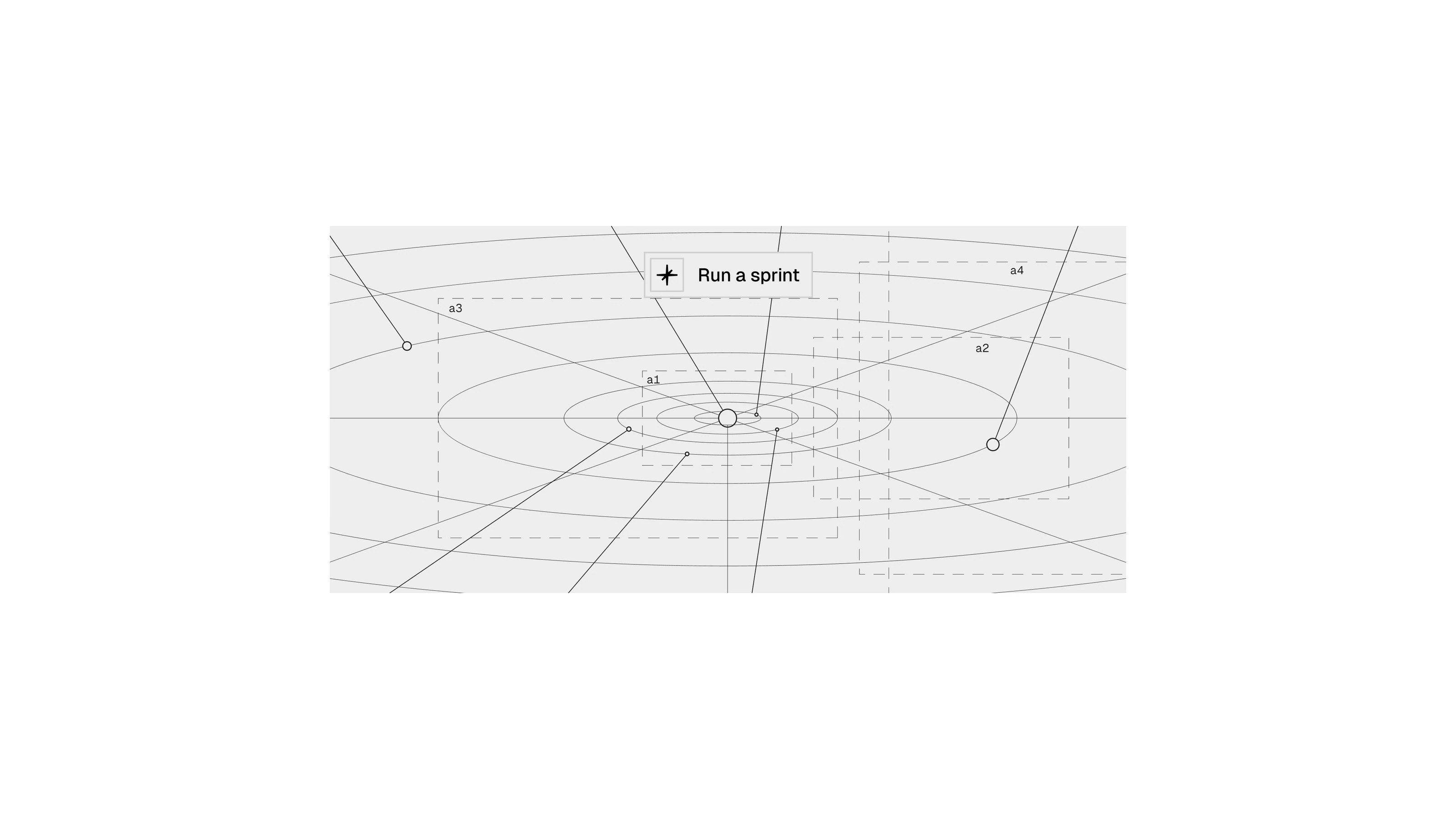
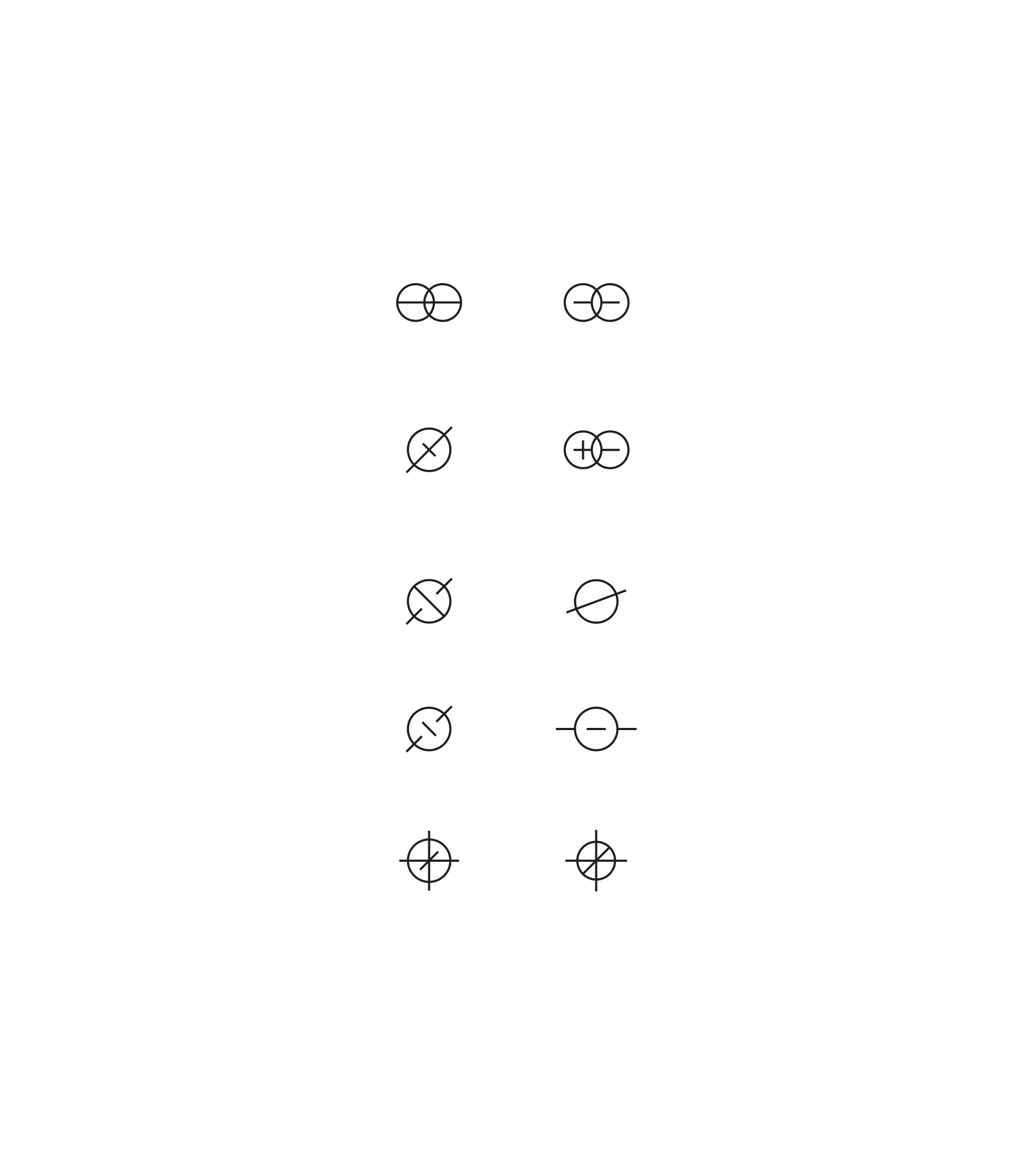
The wordmark is Karda in a plain sans, with a four-pointed star at the top right of the last a. We show the star on its own, inside buttons, and once as an outline with its anchor points visible, like a construction drawing.
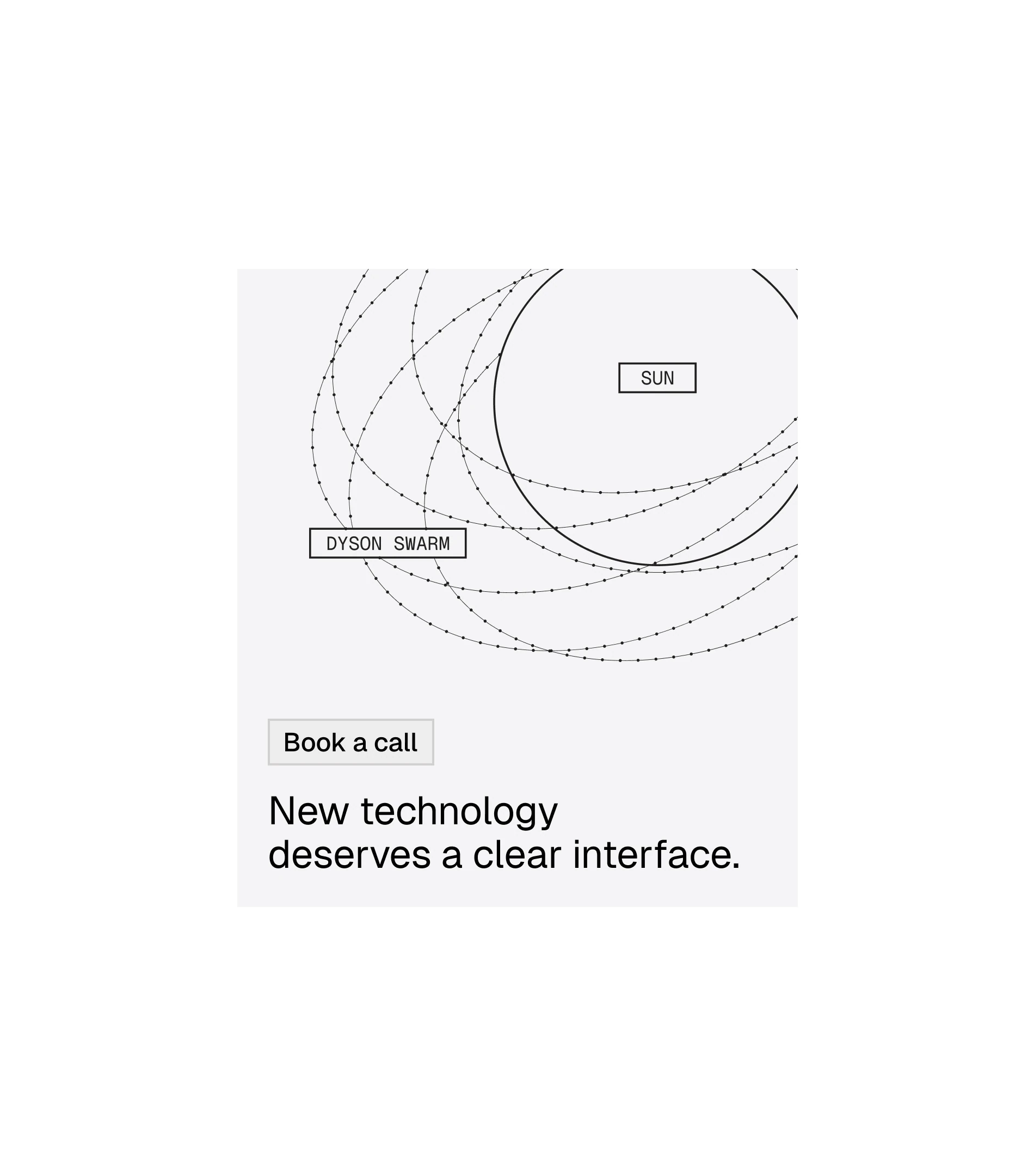
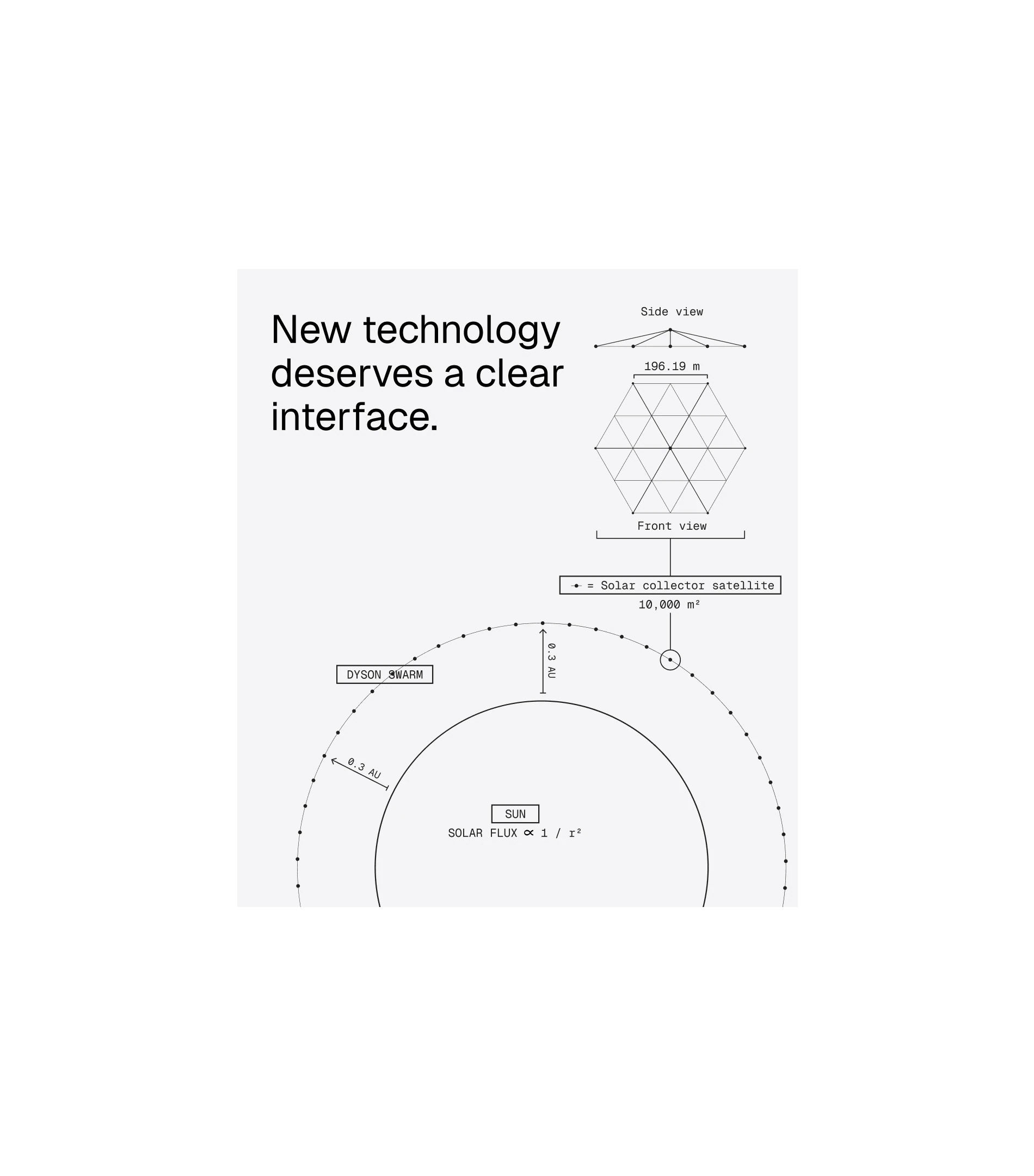
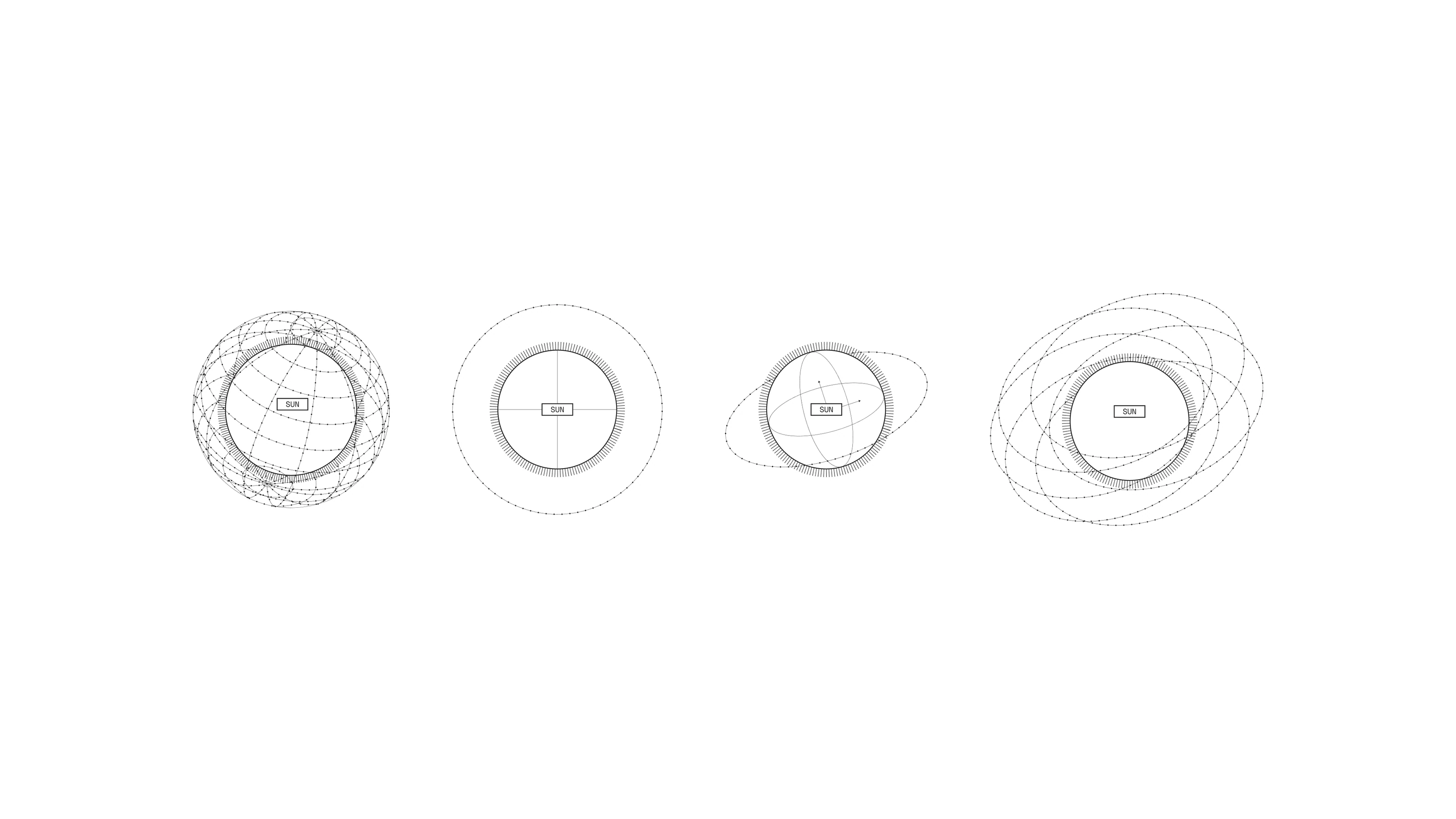
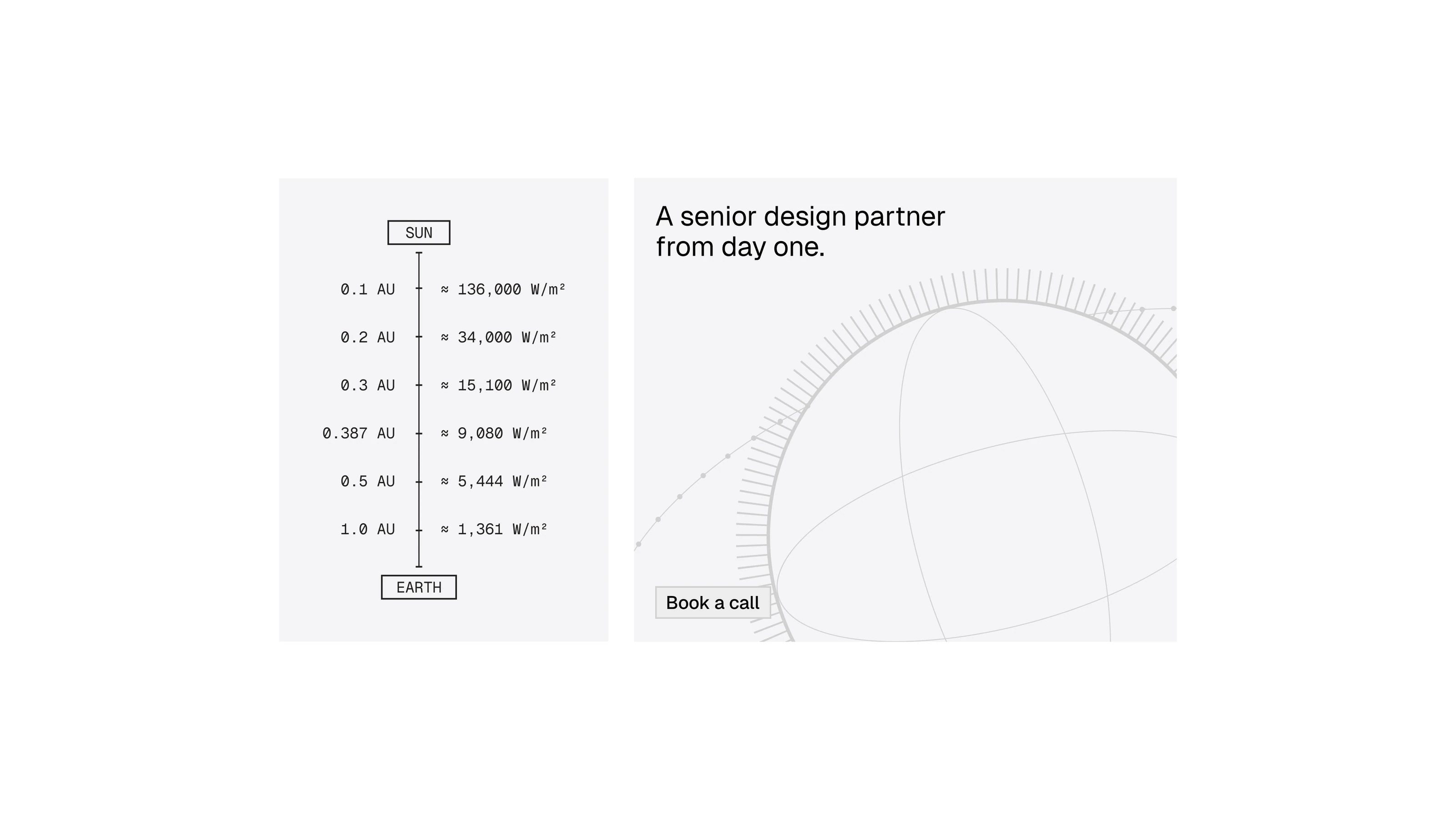
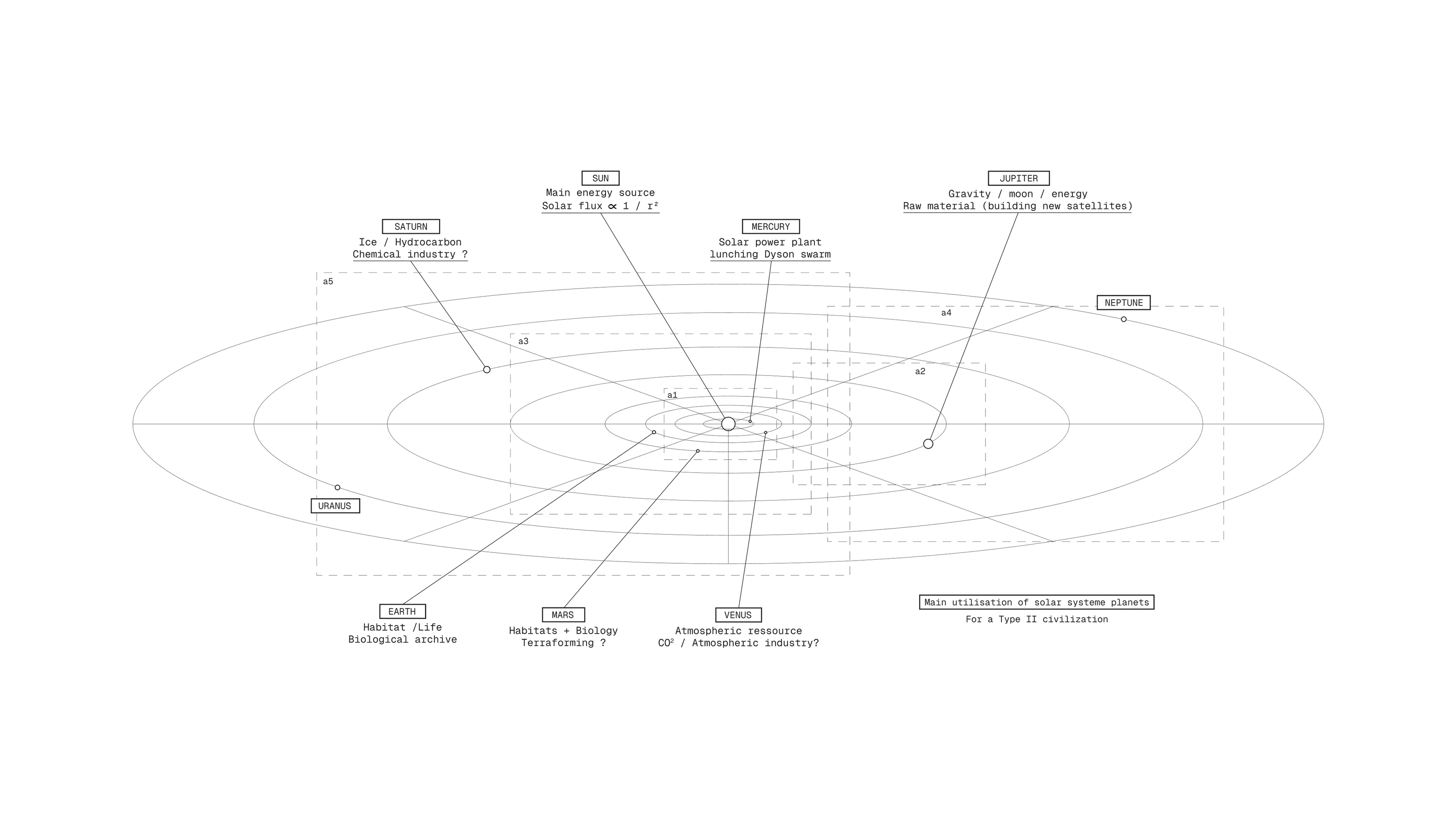
The system is black and white: light grey grounds, black line work, now and then a dark panel with white lines. Labels use a monospace inside thin boxes, so SUN, EARTH and DYSON SWARM read like notes on a plate.
The illustrations
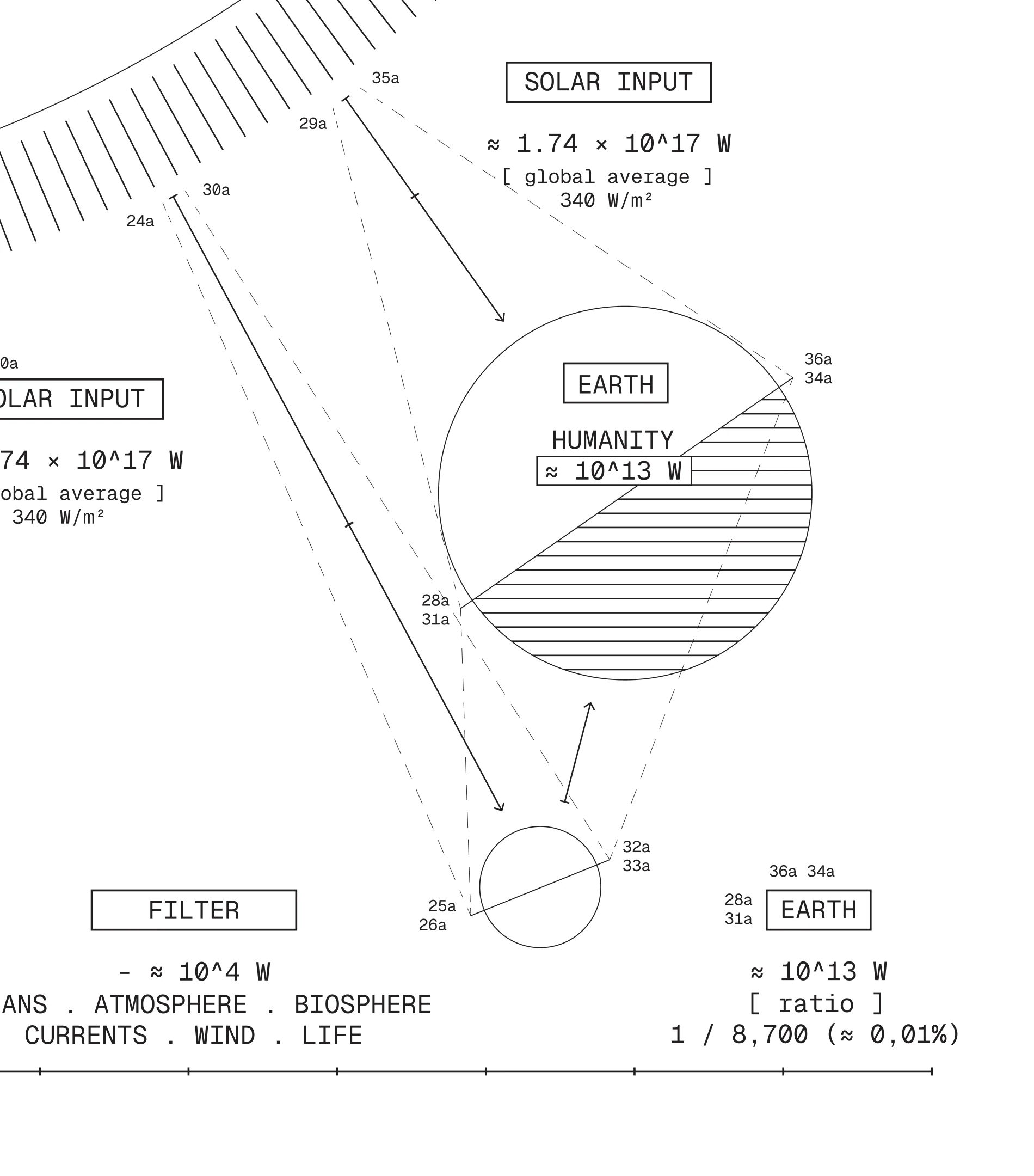
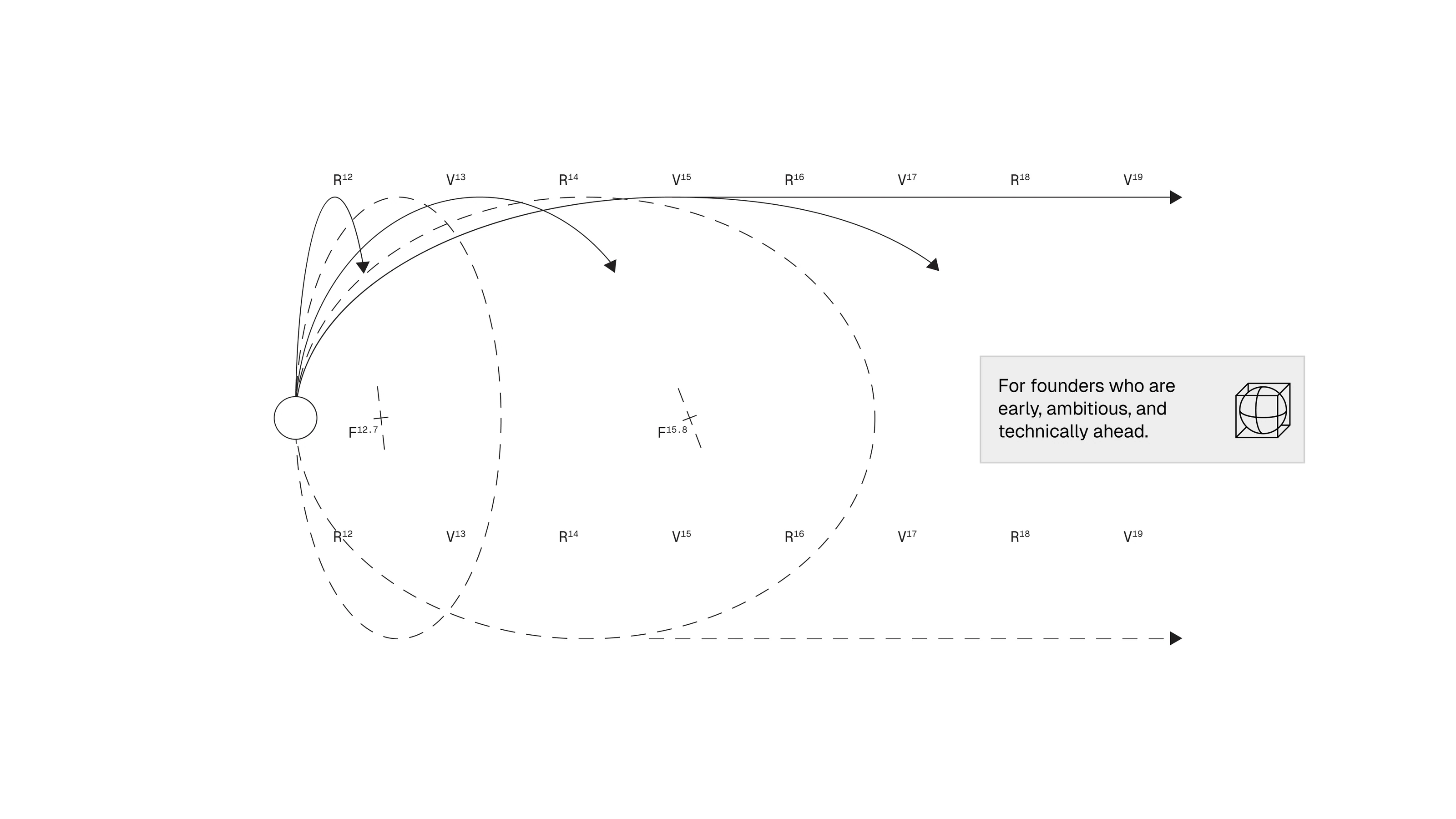
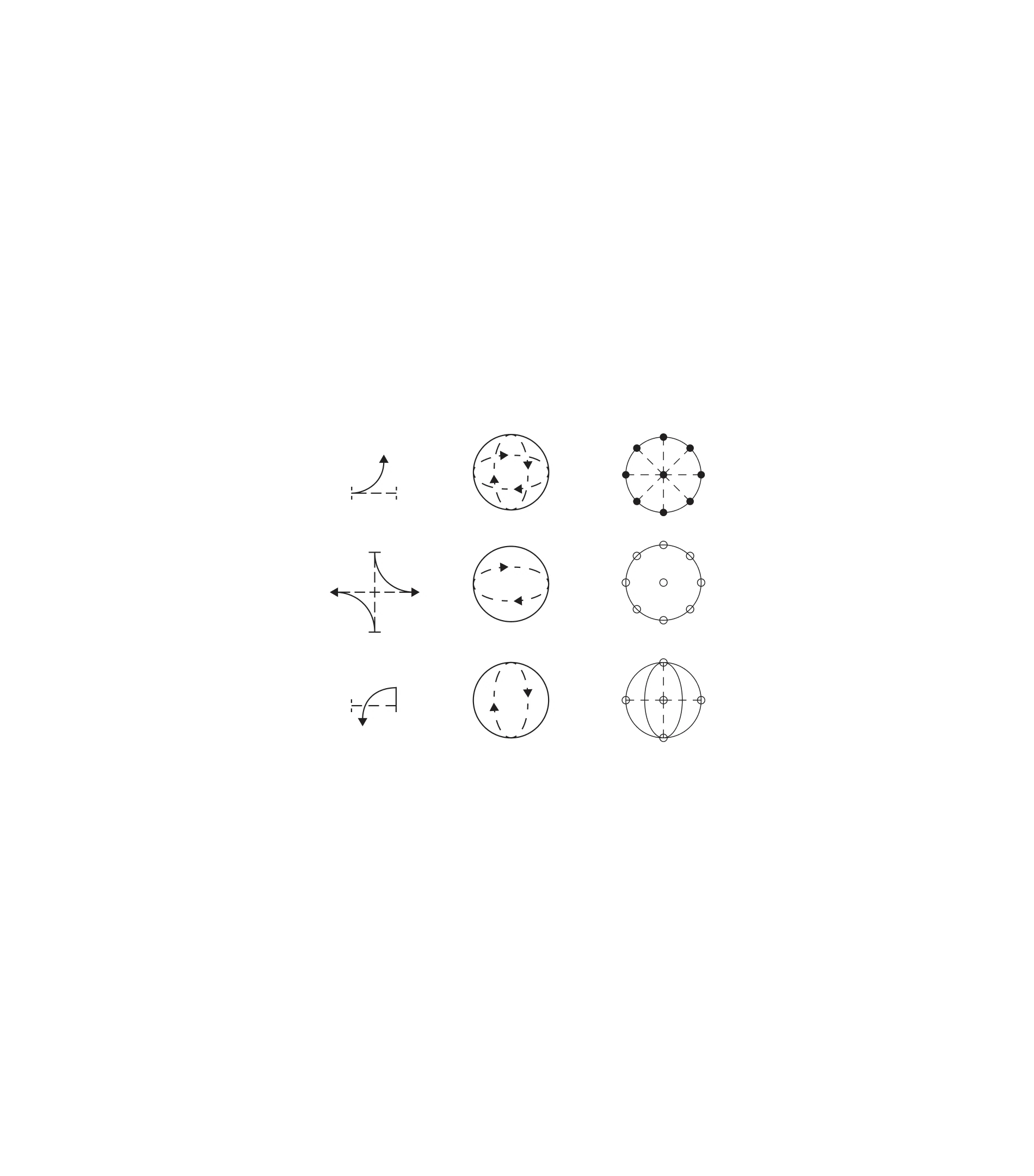
The illustration language has four levels and is drawn from scientific plates. It runs from small symbols, like dashed orbits and rings of dots, to full plates that carry real figures. One sets solar input to Earth against humanity's use, a ratio of 1 to 8,700. One draws a Dyson swarm of solar collector satellites. And the Kardashev scale itself is drawn as a chart from 10^6 W to 10^36 W, with Type I, II and III marked along it.
On the site, the plates sit next to short lines in the sans, like "Product design, calibrated." Buttons stay small and square, often with the star in its own box.
It's a lot of science for a design studio. But every drawing is doing the same thing the studio does: taking something big and new and making it readable.
Credits
Creative Direction
Drice Roland
Logo Design
Clarence Viguier
Illustrations
Clarence Viguier
Next
Enobase · AI-assisted operations platform